One of the most interesting lessons I have ever learned was during a trip to Vermont by car from Albany, New York.
The translator consultant lived in Albany. He needed to have computer training to help people with the translation of an indigenous language in Guatemala. These people had escaped from political persecution and now were living in Vermont.
The Civil War in Guatemala started in the 1960’s when a group of left-wing junior military officers led a failed revolt against the government. From the 70’s to the 80’s several military dictators took the power.
On March 1982, General Efraín Ríos Montt, together with a group of junior army officers, seized power in a military coup. Social discontent continued among the large populations of indigenous people and peasants. Many organized into insurgent groups and began to resist the government forces.
During the 1980s, the Guatemalan military assumed the government power for five years. They infiltrated everything, and eliminated enemies in every socio-political institution of the nation, including the political, social, and intellectual classes.
Between 140 to 200 thousand people were killed (40 to 50 thousand just “disappeared”) during the conflict. Fighting took place between government military forces and rebel groups. However, much of the violence was by the Guatemalan state against the civilian population from the mid-1960s onward. The military intelligence services coordinated killings and “disappearances” of opponents of the state.
In rural areas, large massacres of the peasantry and indigenous people took place, including entire villages. Indigenous people who converted to Christianity were accused of being leftist, persecuted and killed. These took place in the predominantly Mayan western highlands from 1978 onward.
In the early 1980s, the widespread killing of the Mayan people was considered a genocide. Other victims of the repression included activists, suspected government opponents, returning refugees, critical academics, students, left-leaning politicians, trade unionists, religious workers, journalists, and street children. Some indigenous people were able to escape Guatemala helped by Christian organizations and settled in Florida, and, as the one I visited, in Vermont.
After arriving in Albany, I rented a car and picked up the translator at his home to start the trip to Vermont.
We had a very pleasant ride on a mountainous road and we had a wonderful visit with the Guatemalan translators. She had installed a loom in the middle of her living room and had started a small business weaving rugs, fabric and other items that she could take to a local craft and food market and sell directly to the public.
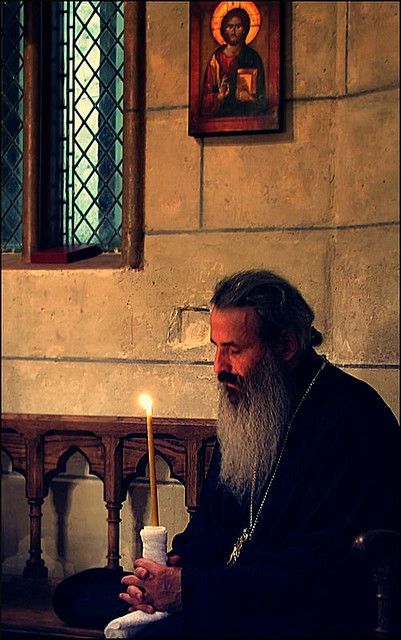
On the road back, we stopped at New Skete Monk Monastery. The consultant I was with had been enthusiastically telling me stories about the wonderful ceramic objects the monks produced, and he wanted us to stop at the Monks’ Gift Shop.
We parked the car and we went in the shop only to discover that it was mainly full of carved objects in wood, some metal work and soaps.
After admiring all the items, we approached the monk at the counter and my friend asked “What happened to the ceramic pieces you had at this gift shop when I visited about two months ago?”
The monk looked at us and asked what we were doing in that area. We explained that we worked for a Christian organization and were visiting some indigenous people in Vermont. The monk was aware of the natives that had moved to Vermont and was happy to learn about the translation. After a while he decided to answer the question.
He explained that it was true that before, they were working with ceramic. “However”, he said, “we were becoming so involved with the work and the beautiful objects we were producing that we had abandoned our dedication to our Lord Jesus Christ. So we agreed to stop making ceramics and to concentrate on our devotion to our Savior. We continue doing some crafts but only as a mean to support ourselves and place nothing in the way of our personal and communal attachment to Christ.”
 An Ear by Mistake
You must be logged in to post a comment.