2009
Karelin and I had not been in Mexico by land. I had been in Mexico for work-related reasons on many occasions. I was in Matamoros, Mexico City the capital, in Cuernavaca south of Mexico City and Acapulco on the Pacific side; Tuxtla Gutierrez, San Cristobal de las Casas, Chamula, in Chiapas in the South of Mexico; Merida, Playa del Carmen in Yucatan Peninsula and many other small towns around those areas.
Karelin and I started on what I considered an uncomplicated way to cruise. In 2009, we did two cruises from Galveston, Texas, with Carnival Cruise Line on the Ecstasy ship. One cruise was in January 2009 for five nights to Cozumel Island and Merida in Mexico and the other was in December 2009 for five nights to Cozumel.
On the first Cruise we drove to Galveston, and we parked the car at the Carnival Cruise terminal.
Next day we arrived at San Miguel de Cozumel and just enjoyed visiting the stores and this main town on Cozumel Island. It is located off the eastern coast of Mexico’s Yucatán Peninsula on the Caribbean Sea.
We continued to the port of Progreso, founded in 1856 to facilitate exporting of sisal fibers. A pier was built between 1937 and 1941 to accommodate larger ships. Between 1985 and 1989, the construction of a new terminal and the extension of the pier were completed.
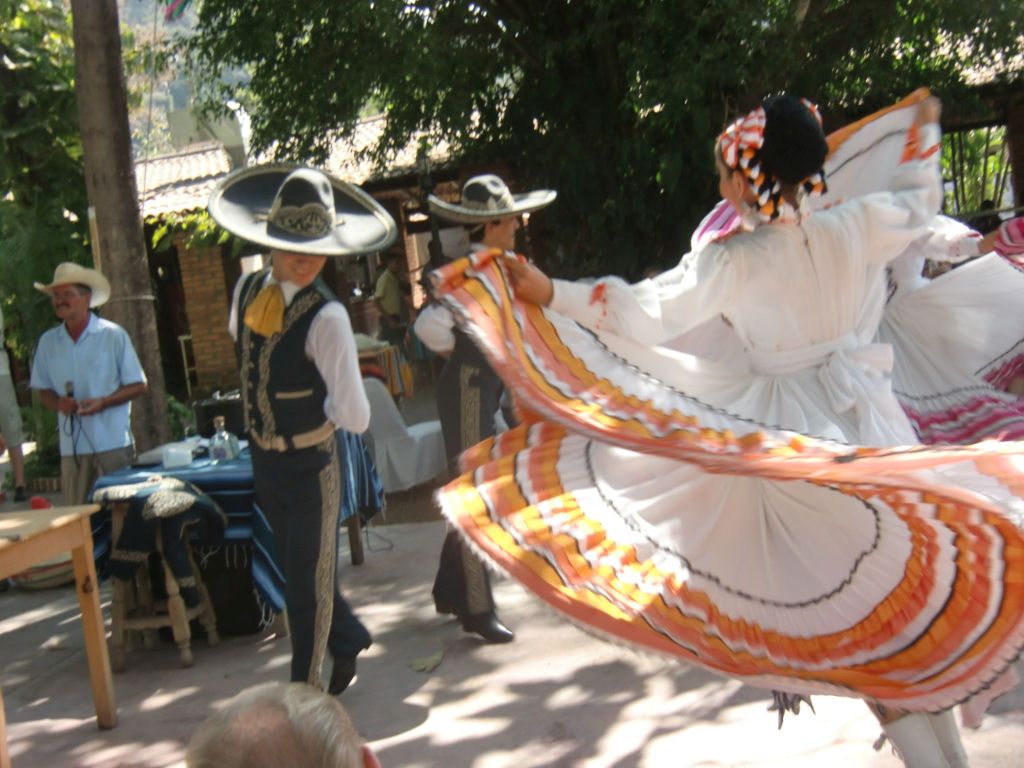
A beautiful demonstration of typical dances welcomed us. We promptly continued to a bus to take a tour to Chichen Itza, a famous archaeological site in the Yucatán Peninsula. We saw the impressive Mayan ruins, including the Pyramid of Kukulkan (El Castillo). These ruins were the major city of the Maya civilization. It is recognized as one of the New Seven Wonders of the World. Thousand of tourists come during the equinoxes, (March 21 and September 21) at Chichen Itza. On these dates the sun creates a stunning optical illusion on the pyramid of Kukulcán. As the earth moves around the sun, shadows form the shape of a serpent descending the stairs. This event symbolizes the return of the feathered serpent god, Kukulcán. A deity in Maya mythology, associated with creation, rain, and wind.
Back to Galveston, we drove across to Port Bolivar, and we came back in the afternoon to take another cruise on Colonel Paddlewheel Boat, which navigates in the Offatts Bayou in Galveston Island. This boat is part of the attractions at Moody Gardens in Galveston, a non-profit attraction featuring three main pyramids: the Aquarium Pyramid, the Rainforest Pyramid, and the Discovery Pyramid, along with a seasonal water park called Palm Beach. We particularly enjoyed visiting the large aquarium, the living rainforest, and the interactive science exhibits.
This cruise was interesting because the Cruise Director preform many shows as a singer and a juggler. We also realized that many passengers in wheel chairs did not move from the buffet during the whole trip.
We drove back to Dallas that same night of January 15, 2009.
On our second cruise with Carnival in December 2009, we had just flown back from Las Vegas one day before.
We drove to Galveston, embarked on the Ecstasy ship, and arrived at Cozumel on December 13. This time we took a tour to the Discover México Park, seven minutes from Cozumel. The park features miniature replicas of major Mexican landmarks. It is like exploring Mexico in a compact space. We recognized the pyramids of Chichen Itza among the landmarks. We also visited an art gallery with authentic impressive handicrafts from artisans across Mexico. We also saw a short film with an introduction to the culture of Mexico.
From there we continued to El Cedral where the Mayans originally settled in the Cozumel Island. In a central location we discover the pig dance statue in El Cedral which commemorates a traditional dance known as “Cabeza de Cerdo,” or Pig Dance. This is a traditional dance that originated as an invocation of blessings from the gods, ensuring good fortune and protection, but after the Catholic Church arrived, it was considered as symbolizing Jesus Christ’s sacrifice during the festivities of the Holy Cross in Cozumel. Then we visited the beach, and we went to a Tequila distillery where they showed us the complete process, starting with the agave plants. We tried the local cuisine, and we enjoyed seeing the Christmas decorations all over the port.
Next day we took a tour to the Dzibilchaltún ruins. This is a Mayan archaeological site that dates to around 300 B.C. It was inhabited until the Spanish conquest in the 16th century. It was a major urban center for the Mayan civilization. We saw the Temple of the Seven Dolls, named after seven figurines, found during excavations. The temple is notable for its alignment with the sunrise during the equinoxes. We also saw the Sacred Cenote, a natural sinkhole that was used for ceremonial purposes. We were amazed at how clear the water was. It is surrounded by lush vegetation. Many archeological discoveries such as artifacts and offerings were shown here. Also, in the area there are residential structures and plazas that show the architectural style of the Maya and many iguanas.
We went back to Galveston and drove directly to Dallas this time.
2012
This cruise to Mexico was on the Pacific side. In one of our cruises with Holland America, Karelin had won a cruise for two as a prize in a Bingo game. When she tried to claim the cruise, we discovered that only the base fee for the cruise was ‘free’ and was valid only for certain dates and a deposit and port fees and other fees had to be paid anyway. At least it saved us some money, and we booked a cruise from San Diego and back from January 28 to February 4th, 2012. This time we selected a balcony because they promised that we would see whales from our cabins.
We flew with American Airlines to San Diego, and we embarked on the MS Oosterdam in January 28. We did the safety drill and went to dinner with two ladies who were very fussy. However, right after dinner I went out on our balcony and took a picture of the tail of a baby whale right there in San Diego!
On January 31, we arrived at Puerto Vallarta and were received by people handling beautiful Military Macaws which are large parrots that can be found in the mountainous and coastal areas south of the port. These birds are notable for their striking green plumage, a red forehead and blue wing feathers. They can grow up to thirty-one inches in length and are considered endangered due to habitat loss and poaching. One of them came to my shoulder for pictures.
Puerto Vallarta is another of those small fishing villages that became famous because of a movie. It was originally named Las Peñas. It was founded in 1851. In 1918 it was named after the Spanish governor of the region, Don Ignacio Vallarta. Its early economy was based on agriculture, fishing, and mining. The city gained popularity in the mid-20th century, after the filming of the movie “The Night of the Iguana” in 1964.
We first walked in El Malecón which is a scenic boardwalk lined with sculptures, shops, and restaurants and visited the Church of Our Lady of Guadalupe with a big tower in the shape of a crown. We walked the square and the Zona Romantica with cobblestones. We saw Playa de los Muertos or Beach of the Dead, too full of tourists, Conchas Chinas, a beach with clear waters and rocky formations and Las Animas, another beach. Then we did a tour to Hacienda Doña Egnacia where again we saw the process of making tequila. Then we went to lunch. They greeted us with dances, horse shows and excellent food.
That night we went for a scenic cruise from the pier to Las Caletas, a small beach, where we enjoyed a spectacular dinner show. It includes the scenic cruise, a buffet dinner, and an excellent performance displaying Mexico’s diverse cultures. The experience lasted five hours.
Next day we went around Puerto Vallarta, and we visited a local Walmart. We like to visit local markets to get a taste of the normal life in each place we visit.
On February 2nd we arrived at Cabo San Lucas. Here we took a Deluxe Coastal Cruise with Whale Watching tour. We went near the granitic rock formation at the southern tip of Cabo San Lucas. We saw the famous El Arco or Land’s End arch and we saw a few whales but not near the boat. Coming back to the beach, a sea lion greeted us.
We saw more whales when we started our navigation back to San Diego the next day.
When we arrived at San Diego we took a bus tour from the Cruise Ship Terminal. The first thing that attracted our attention was the 25-foot statue known as the Embracing Peace or Unconditional Surrender of a sailor kissing a girl. We stopped at the monument to salute Bob Hope and the Military. We saw Tuna Harbor, the Hard Rock Hotel, and the Gaslight Quarters. We went through Sand Diego’s downtown, and we stopped to visit the California Tower at Balboa Park. Then we continued north to the upscale area of La Jolla beach, a marine life reserve, where we enjoyed watching, not only the marvelous view of this beach but the seals, sea lions, pelicans, sea gulls, and a variety of birds including a colony of cormorants. We also saw lots of surfers. After the beach, we had the opportunity to see the great mansions and houses in that area. On the way back we passed the Old Town San Diego and the Old Town Market. We stopped at Casa Aguirre, a historic landmark home of Don Antonia Aguirre (1799-1860), a prominent merchant who contributed to the development of San Diego. We passed the famous Hotel Coronado and the Glorietta Bay Hotel in Coronado. We saw the San Diego Bridge, and back to the cruise port.
From there we were taken to the airport, and we flew back with American Airlines to Dallas on February 4th, 2012.
We have done other cruises where we stopped in several other ports in Mexico but those are for another story.
 An Ear by Mistake
You must be logged in to post a comment.